 Save Pin
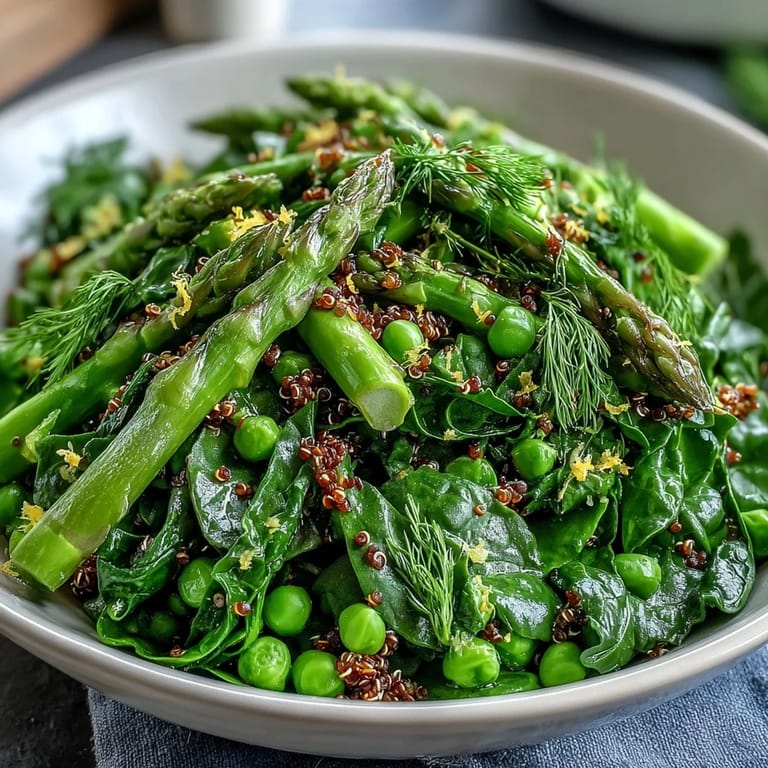
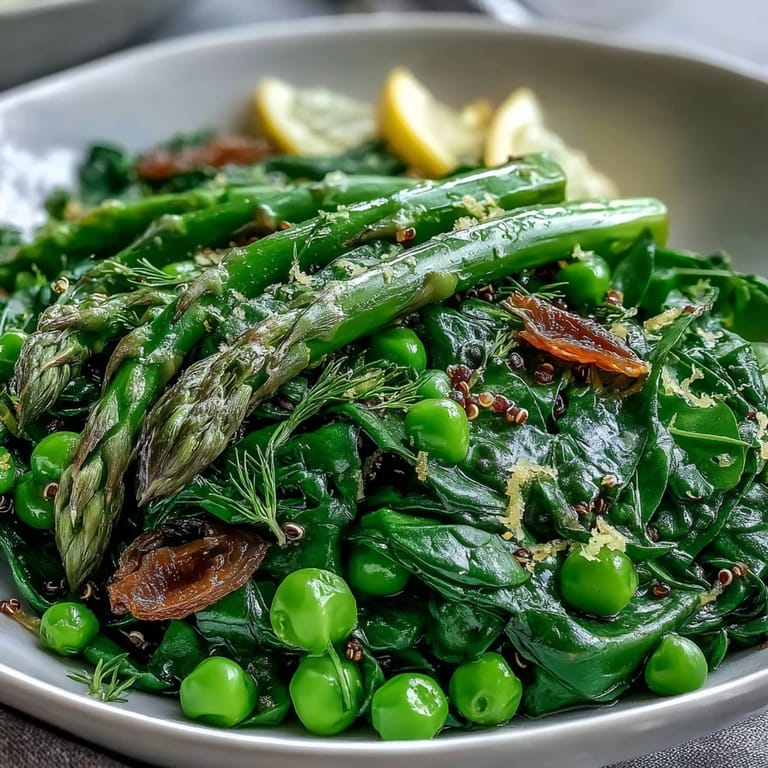
 There's something about early spring that makes me crave bowls instead of anything heavy—maybe it's the way the farmers market suddenly bursts with those jewel-toned vegetables, or maybe it's just that feeling when you realize you can eat outside again without shivering. This Spring Green Bowl came together one April afternoon when I had a handful of fresh asparagus, some peas that looked almost too perfect to cook, and the sudden urge to build something that felt as light and hopeful as the season itself. What started as throwing together whatever greens I had on hand became my go-to formula for turning spring's brief abundance into something that actually keeps me full.
I made this for a friend who kept saying she wanted to eat healthier but couldn't face another sad desk salad, and watching her surprise herself by actually finishing the bowl—and asking for the dressing recipe—reminded me that good food doesn't have to be complicated to feel genuinely nourishing. That's when I knew this wasn't just another spring recipe; it was something worth keeping around.
Ingredients
- Quinoa, brown rice, or farro (1 cup): Choose based on your mood and timeline—quinoa cooks fastest and has a satisfying bite, while brown rice feels earthier and more substantial if you have the patience for it.
- Water (2 cups) and salt (½ tsp): Don't skip the salt in the cooking water; it seasons the grains as they absorb it, not after the fact.
- Fresh or frozen green peas (1 cup): Frozen ones are honestly just as good here—they stay bright and pop nicely against the other vegetables.
- Asparagus (1 cup, cut into 2-inch pieces): Those woody ends you trim off aren't wasted if you save them for stock, but do trim them ruthlessly or they'll be tough.
- Green beans (1 cup, trimmed and cut into 2-inch pieces): The key is cutting them uniform so they cook at the same rate and stay that perfect snappy green.
- Baby spinach (2 cups): It wilts down dramatically, so don't be alarmed by the volume—you'll only get a handful of actual cooked greens.
- Extra-virgin olive oil (3 tbsp): This is the dressing's backbone, so use one you actually like tasting; cheap oil shows here.
- Fresh lemon juice (2 tbsp) and zest (1 tsp): Bottled lemon juice won't give you that bright snap, so squeeze your own—it takes thirty seconds and changes everything.
- Dijon mustard (1 tsp): This tiny amount acts as an emulsifier and adds a whisper of sophistication without tasting mustardy.
- Maple syrup or honey (1 tsp): Just enough to balance the acid and stop the dressing from tasting aggressively sour.
- Garlic (1 small clove, minced): Raw garlic can be harsh, so mince it fine and let it sit a moment before whisking into the dressing to soften its edge.
- Toasted seeds (2 tbsp optional): Toasting them yourself in a dry pan for two minutes transforms them from forgettable to genuinely crunchy and nutty.
- Feta cheese (¼ cup optional): Crumble it just before serving so it doesn't get absorbed into everything.
- Fresh herbs (optional): Mint brings a cool brightness, parsley adds earthiness, and dill feels almost Scandinavian—choose based on what you're in the mood for.
Tired of Takeout? 🥡
Get 10 meals you can make faster than delivery arrives. Seriously.
One email. No spam. Unsubscribe anytime.
Instructions
- Rinse and start your grains:
- Running your grains under cold water removes the starchy film that makes them gluey; you'll notice the water eventually runs clear. Bring your salted water to a rolling boil, add grains, then immediately lower the heat and cover—this transition from high to low heat is what keeps them from boiling over and turning to mush.
- Let them simmer undisturbed:
- Resist the urge to peek constantly; just trust the timing on your package and let the steam do its work. When they're done, the water should be completely absorbed and each grain should feel tender with a slight resistance, not mushy.
- Blanch your vegetables in stages:
- Keeping peas, asparagus, and green beans separate matters because they cook at different rates—peas soften faster and asparagus needs just a moment or it gets stringy. The ice bath stops them cold, locking in that bright green and snappy texture.
- Wilt the spinach gently:
- A dry skillet over medium heat is all you need; spinach releases enough moisture that you don't need oil, and it goes from vibrant to tired-looking in seconds, so watch it closely. Transfer it to a plate immediately so it doesn't keep cooking in the pan's residual heat.
- Build your dressing with intention:
- Whisking the oil in gradually while combining with the other ingredients is how you get that silky, slightly thickened consistency instead of a separated mess. Taste it before assembly and adjust the lemon or salt—this is your seasoning moment.
- Layer your bowls like you're creating something beautiful:
- Start with grains, then arrange vegetables in clusters rather than mixing everything together; it looks more intentional and lets you taste each component. The visual appeal actually makes it taste better, even though that sounds silly when you say it out loud.
- Finish with texture and freshness:
- Seeds go on last so they stay crunchy, herbs last of all so they're still vibrant, and drizzle that dressing right before eating. Serve immediately while everything is still at its best temperature.
 Save Pin
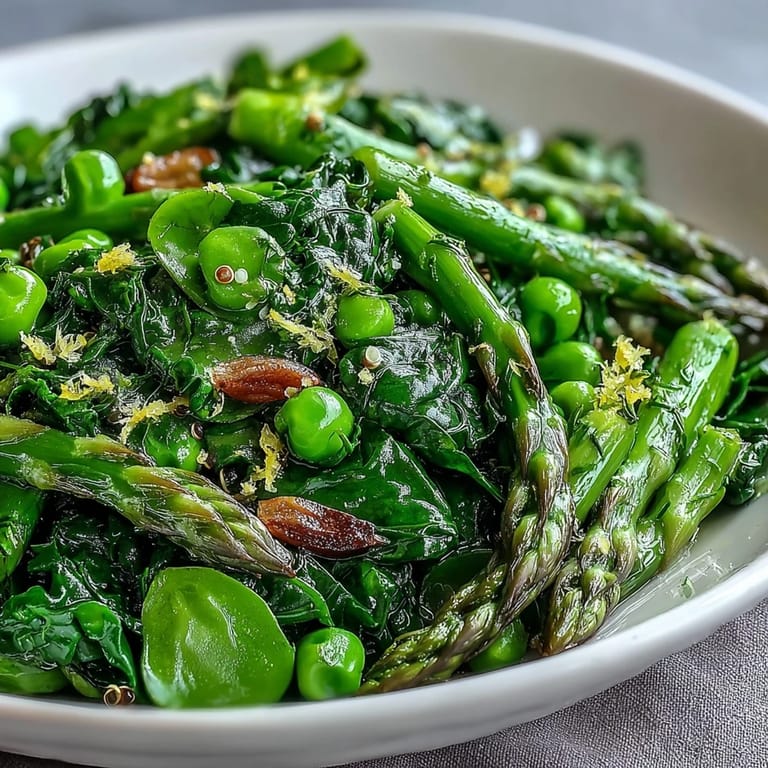
 My roommate in a tiny apartment kitchen with terrible ventilation watched me blanch vegetables that one evening, skeptical about why I was making things so complicated, and then she tasted the bowl and got quiet in that way that means food just surprised her. That's the moment I realized this recipe works because it respects each ingredient enough to give it attention, which sounds precious but actually just means treating vegetables like they deserve better than being boiled into submission.
The Magic of Blanching
Blanching—dropping vegetables into boiling water for a few minutes, then shocking them in ice water—sounds like extra work until you taste the difference. Your vegetables stay bright green instead of fading to dull olive, they stay crisp instead of becoming mushy, and they actually taste like themselves instead of just warm. It's the technique that separates bowls that feel fresh from bowls that feel like you're eating leftovers, and once you start doing it, you'll use it everywhere.
Building a Grain Base That Holds Up
The grain you choose sets the entire tone—quinoa brings a lighter, almost fluffy feel and is fastest if you're in a hurry; brown rice feels more substantial and earthy if you want something that really anchors the bowl; farro splits the difference with a chewy, tender texture. I've made this bowl with all three, and they're genuinely different experiences, so think about what kind of meal you want and choose accordingly. Your grain base should be seasoned generously during cooking, dressed lightly with your dressing, and still taste good even if you eat it plain straight from the bowl.
Dressing Secrets That Actually Matter
A good vinaigrette is just oil and acid in balance, but a truly great one has small touches that make it taste like someone who knows what they're doing made it. The mustard here is your secret—it acts as an emulsifier so your oil and lemon juice actually stay together instead of separating, plus it adds a subtle depth that people taste but can't identify. The honey or maple syrup smooths out any harshness from the lemon, the garlic adds a whisper of pungency, and the zest brings brightness that bottled lemon juice just can't touch.
- Make extra dressing and keep it in a jar in the fridge; it stays good for almost two weeks and suddenly you have salad dressing ready whenever you need it.
- Whisk the dressing fresh each time rather than storing it mixed, or at least shake it well before using since the oil and lemon juice will separate.
- Taste the dressing plain before you dress the bowl, because that's your last chance to adjust the balance without over-seasoning everything.
 Save Pin
 This bowl became my answer to the spring question of what to eat when you want something that feels nourishing without feeling heavy, and it somehow never gets boring even though you make it the same way every time. There's something grounding about building something that tastes fresh and looks beautiful, even on the simplest weeknight.
Recipe Help & FAQs
- → Can I prepare the vegetables ahead of time?
Yes, you can blanch the vegetables up to 2 days in advance. Store them in an airtight container in the refrigerator and bring to room temperature before assembling.
- → What other grains work well in this bowl?
Bulgur, couscous, barley, or even millet make excellent substitutions. Adjust cooking times according to package instructions.
- → How can I add more protein to make it more filling?
Grilled chicken strips, baked tofu, roasted chickpeas, or a soft-boiled egg all complement the fresh vegetables and lemon dressing beautifully.
- → Can I use frozen vegetables instead of fresh?
Absolutely. Frozen peas and green beans work well—just blanch them briefly in boiling water. Frozen asparagus can become mushy, so fresh is preferable if possible.
- → How long will the lemon dressing keep?
The dressing will stay fresh in a sealed jar in the refrigerator for up to 1 week. Give it a good shake or whisk before using, as ingredients may separate slightly.
- → Is this bowl suitable for meal prep?
Yes, it's excellent for meal prep. Store grains, vegetables, and dressing in separate containers. Combine and dress just before serving to maintain texture.