 Save Pin
 There's something almost magical about roasting garlic until it transforms into something entirely different—sweet, mellow, almost buttery. I discovered this soup by accident one autumn when I had more garlic than I knew what to do with, and instead of tossing it, I threw whole heads in the oven out of pure curiosity. The smell that filled my kitchen was so intoxicating that I found myself building an entire meal around those caramelized cloves. That first spoonful felt like I'd unlocked a secret that had been hiding in my pantry all along.
I made this for my sister during one of those unexpected cold snaps in spring, when the weather turns moody and everyone just wants something warm in their hands. She sat at my kitchen counter and ate two bowls while we talked about nothing important, and I watched her shoulders relax with each spoonful. That's when I knew this recipe wasn't just about feeding people—it was about giving them permission to slow down.
Ingredients
- 3 large heads of garlic: Roasting mellows garlic's bite and brings out natural sweetness—don't skip this step, and choose heads that feel firm and heavy for their size.
- 1 medium yellow onion, chopped: Yellow onions caramelize beautifully and add a gentle sweetness that balances the garlic.
- 1 celery stalk, chopped: This gives the soup subtle depth and helps build a foundation of flavor that feels more complex than it actually is.
- 1 medium carrot, chopped: Carrots add natural sweetness and a touch of earthiness without overpowering the roasted garlic.
- 2 tablespoons unsalted butter: Butter carries flavor and creates that velvety mouthfeel that makes this soup feel indulgent.
- 1/2 cup heavy cream: This softens the soup into silk—if you want it lighter, you can reduce this or use half and half instead.
- 4 cups vegetable broth: Use good broth here because it's the backbone of the soup; homemade or a quality store-bought version makes a noticeable difference.
- 1/2 teaspoon dried thyme: Thyme and garlic are old friends—it adds an herbaceous note that ties everything together.
- 1/4 teaspoon freshly ground black pepper: Freshly ground makes all the difference; pre-ground loses its brightness over time.
- 1/2 teaspoon salt, or to taste: Start with this amount and adjust at the end, since flavors concentrate as the soup simmers.
Tired of Takeout? 🥡
Get 10 meals you can make faster than delivery arrives. Seriously.
One email. No spam. Unsubscribe anytime.
Instructions
- Roast the garlic until it softens into gold:
- Preheat your oven to 400°F and slice just the tops off each garlic head to expose the cloves without separating them. A gentle drizzle of olive oil, a wrapping of foil, and about 35 to 40 minutes in the oven transforms hard cloves into something you can squeeze out like butter—the whole process fills your kitchen with an aroma that makes people ask what you're cooking the moment they walk in.
- Let the garlic cool and release itself:
- Once the heads are golden and fragrant, let them sit for a few minutes until they're cool enough to handle. Squeeze each clove gently from the papery skin—they'll pop right out, creamy and almost spreadable, and this is your moment to taste a clove and confirm that something magical happened in that oven.
- Build a flavor base with soffritto:
- Melt butter in a large pot over medium heat, then add your chopped onion, celery, and carrot—this trio is the foundation that French cooks call soffritto, and sautéing them for 5 to 7 minutes until they're soft and fragrant is worth the patience. You're not rushing here; you're listening to them sizzle and watching them turn translucent, knowing this step is what gives the finished soup depth.
- Combine roasted garlic with aromatics:
- Add the roasted garlic cloves along with thyme, salt, and pepper to the pot and stir everything together for about 2 minutes. This short cooking time lets the flavors mingle without things getting too dark or bitter.
- Simmer with broth to meld flavors:
- Pour in your vegetable broth, bring the pot to a boil, then immediately turn the heat down to a gentle simmer for 10 minutes. This is when the soup really starts to taste like itself, as all those elements get to know each other.
- Blend until the texture becomes silk:
- Using an immersion blender, purée the soup until it's completely smooth, working in batches if you're using a countertop blender. The transformation from chunky to velvety happens almost instantly, and it's oddly satisfying to watch.
- Finish with cream and final seasoning:
- Stir in the heavy cream and warm it gently for 2 to 3 minutes—don't let it boil, just heat it through until the soup is hot and steaming. Taste it now and adjust salt and pepper because seasoning at the end, when you can actually taste the finished dish, makes a real difference.
 Save Pin
 My neighbor tasted this soup and asked for the recipe, then came back a week later saying she'd made it for her elderly mother, who hasn't had much appetite lately. Watching someone you hardly know talk about how her mother asked for seconds told me that this soup had become more than sustenance—it was comfort in a bowl, the kind of thing people remember and come back for.
Why This Soup Feels Like a Hug
Roasted garlic is nothing like the sharp bite of raw garlic—it's a completely different ingredient, sweet and mellow and almost creamy on its own. When you roast garlic, the long, slow heat converts the harsh sulfur compounds into natural sugars, which is why roasted garlic tastes almost nutty and caramel-like. This is the magic that transforms a simple vegetable soup into something that tastes like it took hours to make, when really you've spent maybe 20 minutes actively cooking.
Making It Your Own
This recipe is a starting point, not a mandate, and some of my favorite versions came from improvising. I've added a pinch of cayenne for warmth on days when I needed heat, stirred in white miso for umami depth, and even swirled in a bit of truffle oil when I wanted to feel fancy. The base is so solid that you can play with it, and it almost always turns out delicious.
Serving Ideas and Pairings
Serve this soup hot with something to add texture—croutons are the obvious choice, but I've also topped it with toasted breadcrumbs, crispy sage leaves, or even a drizzle of quality olive oil and a crack of fresh pepper. For a lighter meal, pair it with a crisp green salad or a grilled cheese sandwich; for something more substantial, serve it alongside roasted vegetables or crusty bread. The soup is vegetarian and can easily be made vegan if you use olive oil instead of butter and coconut cream instead of heavy cream.
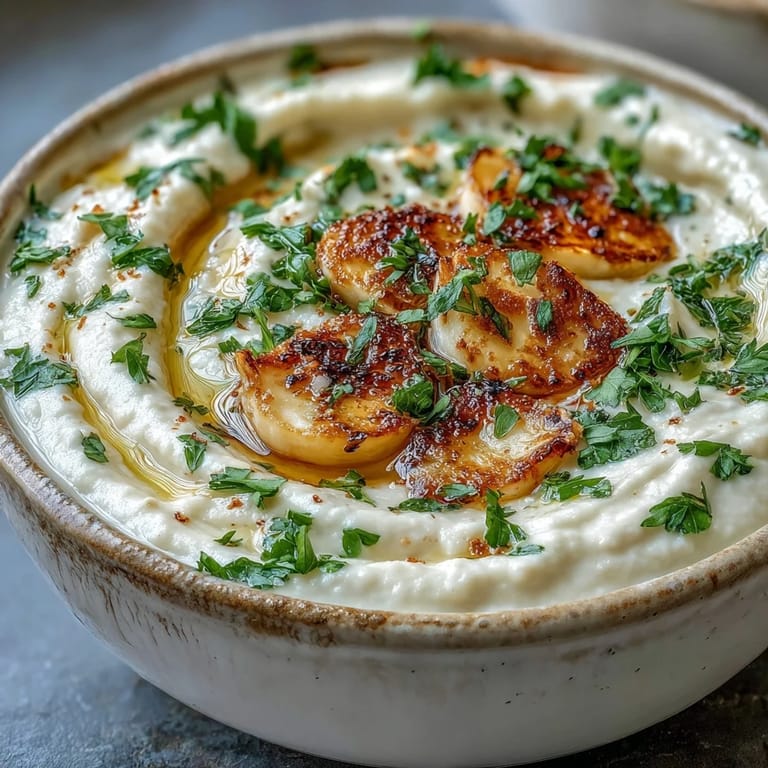
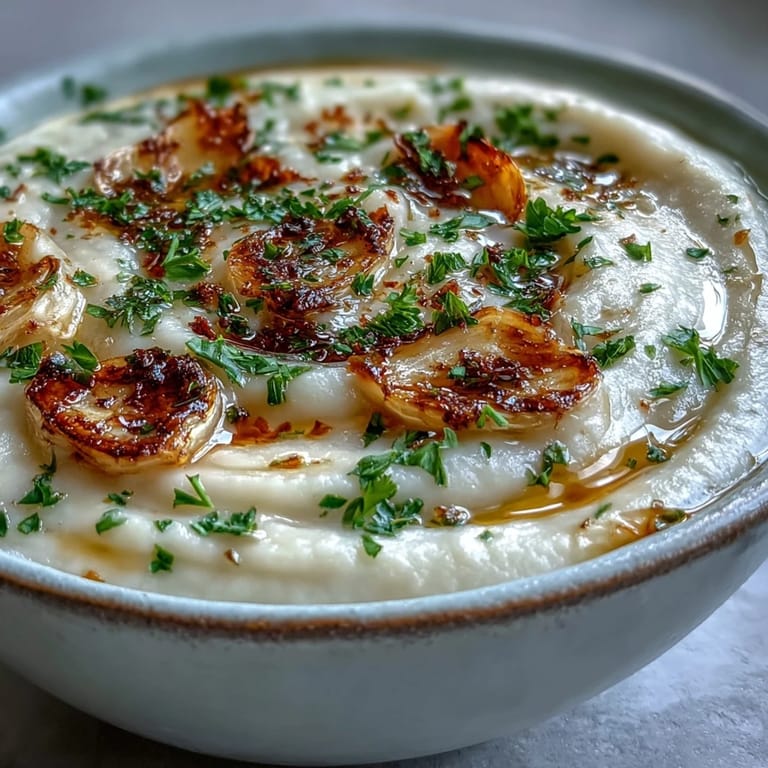
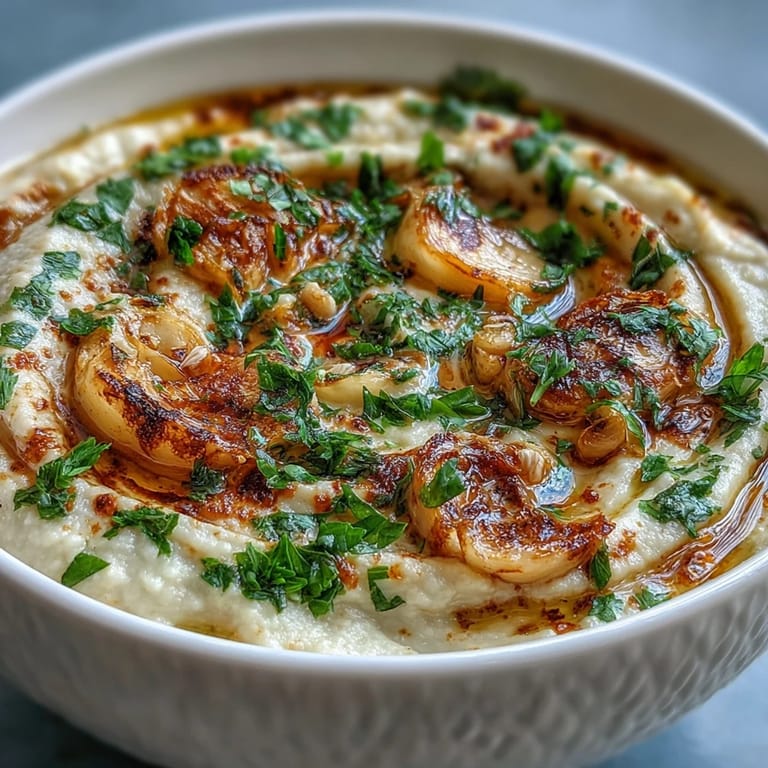
- A garnish of fresh parsley adds brightness and freshness that cuts through the richness beautifully.
- Croutons made from gluten-free bread work just as well and add a satisfying crunch to each spoonful.
- A final drizzle of good olive oil transforms the presentation and adds a subtle fruity note that elevates the whole bowl.
 Save Pin
 This soup has become my go-to recipe when I want to cook something that feels special without spending hours in the kitchen, and I hope it becomes that for you too. There's real comfort in a bowl of something this good.
Recipe Help & FAQs
- → Can I make this soup ahead of time?
Yes, this soup stores beautifully in the refrigerator for up to 4 days. Reheat gently on the stovetop, adding a splash of broth if needed to adjust consistency. The flavors often deepen after a day.
- → How do I make this dairy-free?
Replace the butter with olive oil and substitute heavy cream with full-fat coconut cream or cashew cream. The result will be equally rich and creamy with a slightly different flavor profile.
- → Why roast the garlic instead of using raw cloves?
Roasting transforms garlic's sharp, pungent flavor into something sweet, mellow, and caramelized. It creates depth and complexity that raw garlic cannot provide, making the soup rich rather than harsh.
- → Can I freeze this soup?
Yes, but freeze it before adding the cream. Cool completely, portion into freezer-safe containers, and freeze for up to 3 months. Thaw, reheat, and stir in fresh cream when serving.
- → What can I serve with this soup?
Crusty artisan bread, garlic toast, or a simple green salad complement this soup perfectly. For a heartier meal, pair it with a grilled cheese sandwich or roasted vegetables.
- → How many garlic cloves should I use if I don't have whole heads?
Use approximately 30-36 individual cloves for three large heads. However, roasting whole heads is easier and produces better caramelization than roasting loose cloves.