 Save Pin
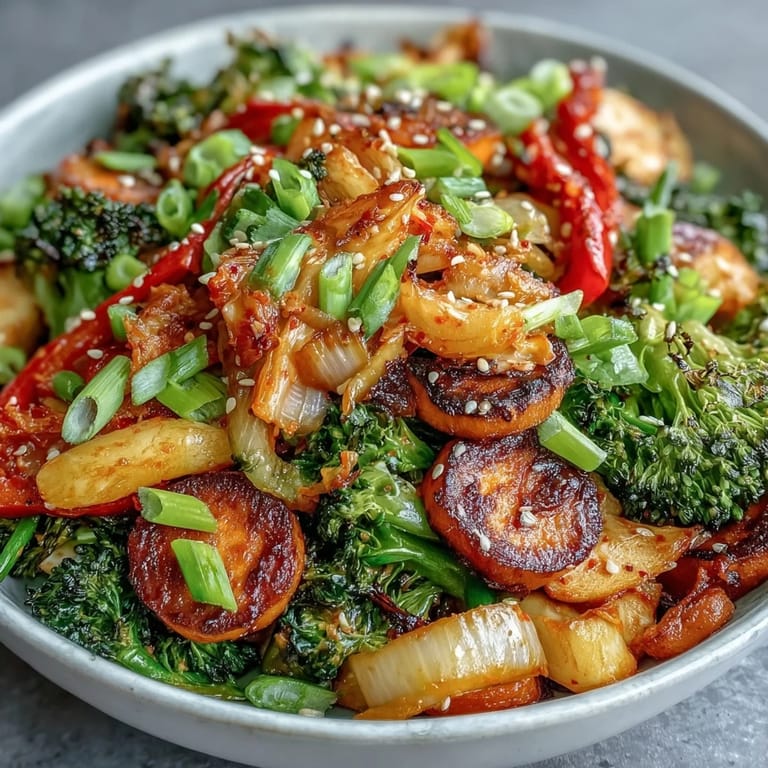
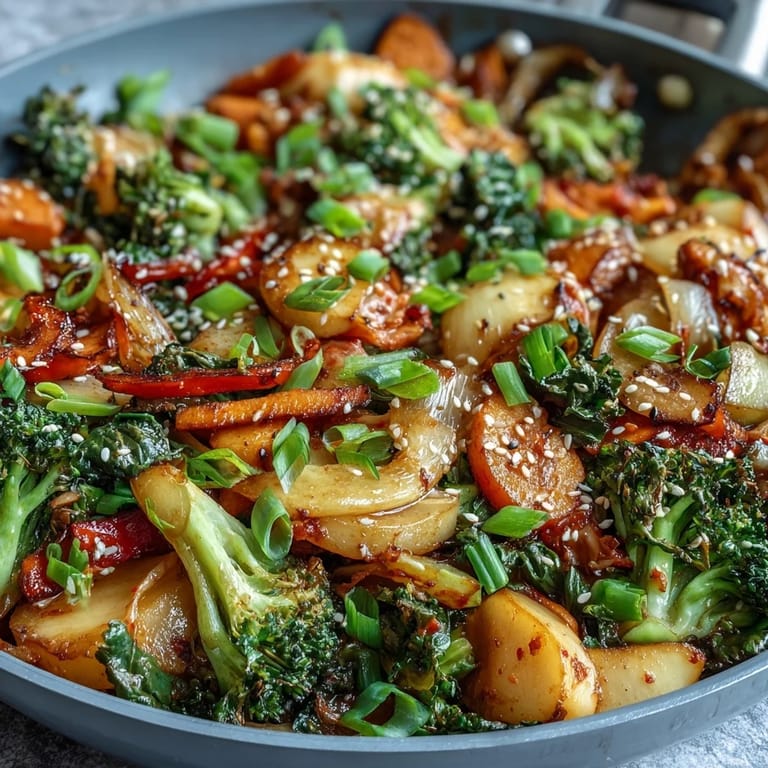
 There's something about a winter afternoon when the light turns golden and you realize you have nothing but root vegetables and a jar of kimchi staring back at you from the fridge. That's when this stir-fry was born, honestly—not from a craving or a recipe book, but from standing in front of an open refrigerator deciding between ordering takeout or making something real. The sesame oil hit the pan with that perfect sizzle, the ginger filled my tiny kitchen with warmth, and by the time I added that kimchi at the end, I understood why fermented foods feel like a small act of kitchen rebellion.
I made this for my sister during her first winter back home, when she was recovering from the move and needed something that tasted like care without tasting like pity. She sat at the counter while I cooked, and the smell of ginger and sesame oil seemed to ease something in her shoulders. We talked about nothing important, and when she took that first bite—the crunch of fresh vegetables meeting the funky depth of kimchi—she smiled like she'd been handed a small secret about feeling better.
Ingredients
- Broccoli florets (1 small head): They should be bite-sized and raw before cooking, so they stay tender-crisp rather than turning to mush—this matters more than you'd think.
- Carrots (2 medium, bias-sliced): The angle cut makes them cook faster and look intentional on the plate, plus it gives you more surface area for that slight caramelization.
- Parsnip (1 small, peeled): Earthier and sweeter than carrots, they add a depth that regular veggies sometimes miss, especially in winter.
- Sweet potato (1 small, matchstick cut): Keep them thin so they cook through without drying out; they add natural sweetness that balances the umami later.
- Green cabbage (1 cup shredded): Raw shredded cabbage stays crisp and adds a fresh crunch—don't skip the bite it brings to the dish.
- Red bell pepper (1, sliced): It softens just enough to taste sweet and tender without losing its shape, and the color keeps everything looking alive.
- Fresh ginger (1 tablespoon, grated): Use a microplane if you have one; it integrates faster than minced and tastes less harsh, warmer somehow.
- Garlic (2 cloves, minced): Toast it for just 30 seconds—any longer and it turns bitter, and you'll taste the difference in every bite.
- Toasted sesame oil (2 tablespoons): This is non-negotiable; regular sesame oil won't give you that nutty, aromatic quality that makes the whole dish sing.
- Soy sauce or tamari (2 tablespoons): Tamari is naturally gluten-free, and honestly, it tastes a touch cleaner if you're sensitive to that kind of thing.
- Rice vinegar (1 tablespoon): It's gentler and slightly sweet compared to other vinegars, so it doesn't overshadow the vegetables.
- Maple syrup or honey (1 teaspoon): Just enough to round out the sauce with a whisper of sweetness, not enough to make it cloying.
- Kimchi (1 cup, chopped): Add it off heat to preserve those live cultures, and adjust the amount based on how much heat you actually want.
- Green onions (2, sliced, optional): The fresh onion bite cuts through the richness and adds a final brightness.
- Toasted sesame seeds (1 tablespoon, optional): They give you texture and a toasted depth that grounds the whole plate.
Tired of Takeout? 🥡
Get 10 meals you can make faster than delivery arrives. Seriously.
One email. No spam. Unsubscribe anytime.
Instructions
- Get everything ready first:
- Chop all your vegetables and aromatics before the pan gets hot—stir-frying moves fast, and having everything ready means you won't burn something while you're still slicing. I learned this the hard way with a charred piece of garlic that haunted an otherwise perfect meal.
- Heat the sesame oil until it shimmers:
- Medium-high heat is your target; the oil should glisten and move easily across the pan, filling your kitchen with that toasted aroma that tells you you're about to make something good.
- Toast the ginger and garlic briefly:
- Thirty seconds is all you need—you're looking for fragrance, not color, and the moment you catch that warm, slightly sweet smell, it's time to add the harder vegetables. Hesitate even a few seconds too long, and the garlic tips toward bitter.
- Start with the vegetables that take longest:
- Carrots, parsnip, sweet potato, and broccoli go in first and get a solid 4–5 minutes of heat while you stir regularly, watching for that slight softening at the edges. You want them still with some resistance in the center—they'll keep cooking a bit after you remove from heat.
- Finish with the quick-cooking vegetables:
- Cabbage and bell pepper only need 3–4 minutes; add them and keep your wooden spoon moving so nothing sticks or steams instead of searing. The cabbage should still have some structure, and the pepper should be tender but not floppy.
- Whisk your sauce and pour it in:
- Mix the soy sauce, rice vinegar, and maple syrup in a small bowl first so the flavors blend before they hit the pan, then pour it over everything and toss to coat evenly in one quick motion.
- Turn off the heat and add the kimchi:
- This is the moment where you resist the urge to stir-fry the kimchi; gently toss it in so those living cultures stay intact and you keep the fresh, funky edge that makes fermented food special.
- Plate and garnish:
- Green onions and sesame seeds go on just before serving—they stay fresh and crunchy instead of wilting into the warm vegetables.
 Save Pin
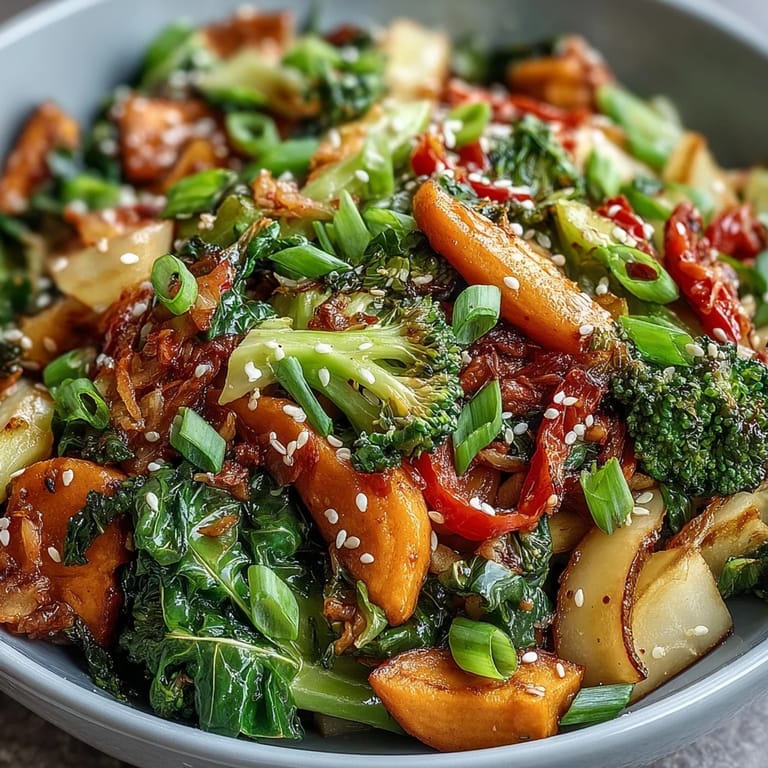
 This dish became proof to me that fermented food doesn't have to be a side effect of health consciousness—it can just taste good, feel alive in your mouth, and make you want to cook it again next week. There's comfort in a warm bowl of vegetables, but there's something else entirely when you add that tangy, slightly spicy layer at the end.
Why Winter Vegetables Matter Here
Winter vegetables are naturally sweeter and denser than their summer counterparts because the plants concentrate sugars as a survival mechanism when it's cold. That means carrots, parsnips, and sweet potatoes caramelize slightly when they hit a hot pan, developing this subtle richness that summer squash never quite manages. Broccoli in winter also stays fresher longer and has a more pronounced, almost nutty flavor—there's a reason farmers' markets look different in November than in July.
The Science of Stir-Frying Success
Stir-frying works because high heat and quick movement create what's called the Maillard reaction—essentially, the browning that adds flavor and depth. When you keep your vegetables moving and your pan hot, you're not steaming them; you're searing them, which creates those caramelized edges while keeping the insides still slightly firm. The moment you stop stirring or lower the heat, you switch from stir-frying to steaming, and the whole texture changes in a way your palate will notice immediately.
Adapting This to What You Have on Hand
The beauty of a stir-fry is how flexible it is—the structure stays the same even when you swap vegetables based on what's in your kitchen or what you actually feel like eating. I've made this with kale instead of cabbage when I was feeling that direction, and with turnip and rutabaga when my farmer's market haul went that way; the cooking time shifts slightly, but the approach remains honest. The one thing I wouldn't compromise on is the kimchi at the end—that's the part that makes this recipe feel intentional rather than just thrown together.
- Try adding mushrooms, which bring umami depth and a meaty texture that rounds out the vegetable-heavy plate.
- Turnip or rutabaga works beautifully instead of parsnip and gives you a slightly sharper, more mineral quality.
- Kale or any hearty green can replace cabbage if you increase the cooking time by a minute or two to let it soften fully.
 Save Pin
 This stir-fry became my winter ritual, the dish I reach for when I want something that tastes bright despite the season, that warms you from the inside and settles into your body like it was always supposed to be there. Make it for yourself on a quiet evening, or make it for someone who needs reminding that good food is the simplest kind of comfort.
Recipe Help & FAQs
- → Can I make this gluten-free?
Yes, simply substitute tamari for the soy sauce. Always check your kimchi label, as some brands contain wheat-based ingredients or fish sauce.
- → Why is kimchi added at the end?
Adding kimchi off the heat preserves the beneficial probiotics and live cultures that can be destroyed by high temperatures. It also maintains the kimchi's crisp texture and bright flavor.
- → What other winter vegetables work well?
Turnips, rutabaga, kale, Brussels sprouts, or butternut squash all pair beautifully. Just adjust cooking times accordingly—harder vegetables need more time, leafy greens less.
- → Can I add protein?
Absolutely. Tofu, tempeh, edamame, or chickpeas make excellent plant-based additions. For non-vegetarian versions, shrimp or sliced chicken breast work wonderfully.
- → How spicy is this dish?
The spice level depends entirely on your kimchi choice. Traditional kimchi has moderate heat, but milder or spicier varieties exist. You can also add fresh chili peppers or red pepper flakes if you prefer more heat.