 Save Pin
 There's something about the smell of lemon zest hitting a warm kitchen that makes everything feel a bit lighter, a bit brighter. I discovered this loaf cake on one of those gray afternoons when I needed something to lift the mood, and it became the thing I bake when spring feels close but the weather hasn't quite caught up. The first time I made it, I was honestly just following the steps, but by the second batch, something clicked—the way the glaze soaks into those warm holes transforms a simple sponge into something unexpectedly special.
I made this for my neighbor last spring when she was recovering from something, and she texted me a photo of her eating a slice with her coffee the next morning. That's when I knew it wasn't just good—it was the kind of cake that reaches people. Since then, it's become my go-to for bringing to someone's house, because it's impressive enough to feel thoughtful but humble enough that it doesn't require apologies.
Ingredients
- Unsalted butter, 200g softened: Cold butter won't cream properly, so let it sit on the counter while you gather everything else—you'll know it's ready when a finger presses through easily.
- Caster sugar, 200g: The fine crystals dissolve faster than regular sugar, giving you that pale, fluffy texture that signals you've creamed it right.
- Eggs, 3 large at room temperature: Cold eggs can break the emulsion and make your batter grainy—I learned this the hard way after a rushed morning bake.
- Lemon zest, 1 tbsp finely grated: Use a microplane or fine grater and you'll get the fragrant yellow bits without the bitter white pith; two medium lemons usually does it.
- Self-raising flour, 200g: This already contains baking powder, so you don't need as much leavening—don't swap it for plain flour without adjusting the other ingredients.
- Baking powder, 1/2 tsp: Just that little extra boost to ensure the cake rises evenly and stays tender.
- Salt, 1/4 tsp: It sounds like nothing, but it brightens the lemon flavor and balances the sweetness beautifully.
- Whole milk, 3 tbsp: Keeps the crumb moist without making it dense; room temperature milk blends more smoothly into the batter.
- Freshly squeezed lemon juice, 2 tbsp for the cake: Bottled juice works in a pinch, but fresh juice gives you a brighter, cleaner flavor that you can actually taste.
- Icing sugar, 80g for the glaze: Sift it first to avoid lumps, otherwise you'll end up with a grainy drizzle instead of a smooth one.
- Freshly squeezed lemon juice, 3 tbsp for the glaze: This is what makes the glaze sing—it should be pourable but thick enough to sit on top of the cake.
Tired of Takeout? 🥡
Get 10 meals you can make faster than delivery arrives. Seriously.
One email. No spam. Unsubscribe anytime.
Instructions
- Get your oven ready and prepare the tin:
- Preheat to 180°C and line a 900g loaf tin with baking parchment—I fold mine so it comes up the sides and across the bottom, which makes turning the cake out effortless. Greasing underneath the parchment stops it from sliding around.
- Cream the butter and sugar until it's pale and fluffy:
- This usually takes 3 to 4 minutes with an electric mixer, or about 5 to 7 minutes by hand—you're actually incorporating tiny air bubbles that will help the cake rise. When you run a spoon through it, it should look almost fluffy, like soft clouds.
- Add the eggs one at a time, beating well after each:
- This keeps the batter smooth and prevents it from breaking; if it looks slightly curdled, don't panic—it comes together once you add the flour. Stir in the lemon zest with the last egg so the oils distribute evenly.
- Fold in the dry ingredients gently:
- Sift the flour, baking powder, and salt together first, then fold them in with a spatula using a gentle hand—overmixing here is the enemy and will make the cake tough. You want just enough mixing that you don't see streaks of flour.
- Stir in the milk and lemon juice until smooth:
- This brings the batter to the right consistency, thick enough to hold its shape but loose enough to pour. It should flow like thick cake batter, not like thick dough.
- Pour into the tin and bake:
- Smooth the top with a spatula and slide it into the oven for 45 to 50 minutes—you'll know it's done when a skewer inserted in the center comes out clean or with just a few moist crumbs. The edges should pull away slightly from the sides of the tin.
- While the cake bakes, mix the glaze:
- Whisk the sifted icing sugar and lemon juice together until it's smooth and pourable; if it's too thick, add another teaspoon of juice, and if it's too thin, sift in a bit more sugar. It should coat a spoon but still run off easily.
- Poke and drizzle while the cake is warm:
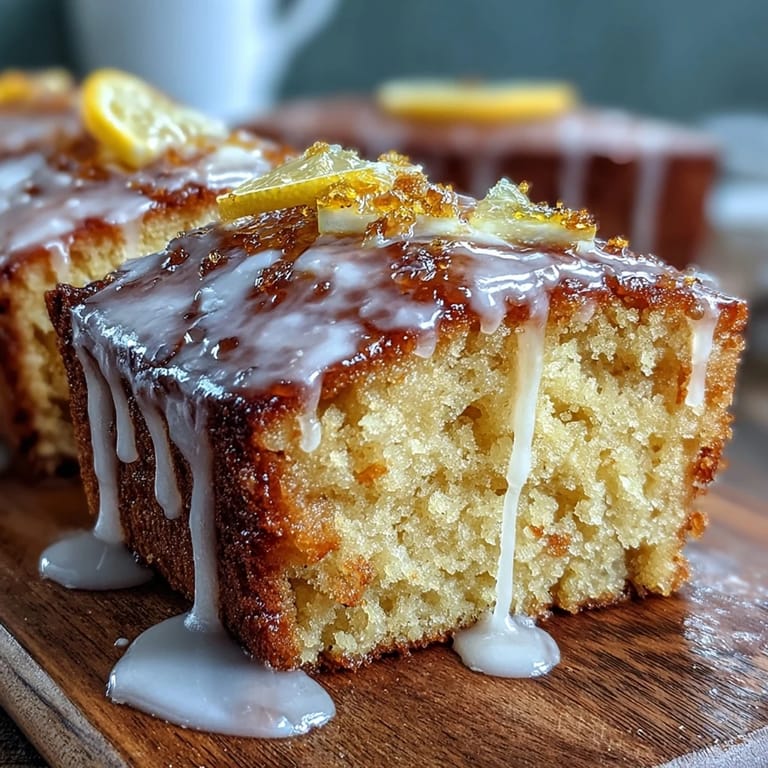
- Let the baked cake cool in the tin for 10 minutes, then take a skewer and poke holes all over the top—make them close together so the glaze soaks in everywhere. Slowly drizzle the glaze over the warm cake and watch it disappear into those holes like magic.
- Cool completely before turning out:
- Let it sit in the tin until it's completely cool, then slide a knife around the edges and turn it out onto a wire rack. The wait is worth it because a warm cake crumbles too easily.
 Save Pin
 There's a quiet moment when you pull this cake from the oven and the whole kitchen smells like concentrated sunshine—citrusy and warm and impossible to resist. That's when it stops being just a recipe and becomes something you want to make again and again.
The Magic of the Warm Glaze
The most common mistake I see is waiting until the cake is cold to add the glaze, and it completely changes the texture. Warm cake is porous and thirsty; it pulls the glaze deep into the crumb where it keeps everything moist and locks in that tang. Once the cake cools, it seals itself and the glaze just sits on top like icing instead of soaking in like it's meant to.
Why Fresh Lemon Matters Here
Bottled lemon juice works, but it tastes slightly flat compared to fresh-squeezed, and in a cake this simple and delicate, you notice. The difference is subtle but real—fresh juice has a brightness and complexity that makes the whole cake taste more alive. I keep a citrus juicer in my drawer now, because for recipes like this where lemon is the star, it's worth the extra thirty seconds.
Ways to Make It Your Own
This cake is lovely as is, but it's also a canvas if you want to play around. I've added poppy seeds for texture, swapped half the glaze's lemon juice for limoncello for an adult version, and even topped it with fresh berries and whipped cream for something more indulgent.
- A handful of poppy seeds folded into the batter adds a subtle nuttiness and interesting texture without changing the basic cake.
- Fresh raspberries or blueberries scattered on top once the glaze sets make it feel fancy enough for a special breakfast.
- If you're serving it to guests, a thin slice with a cup of hot tea is the perfect pairing.
 Save Pin
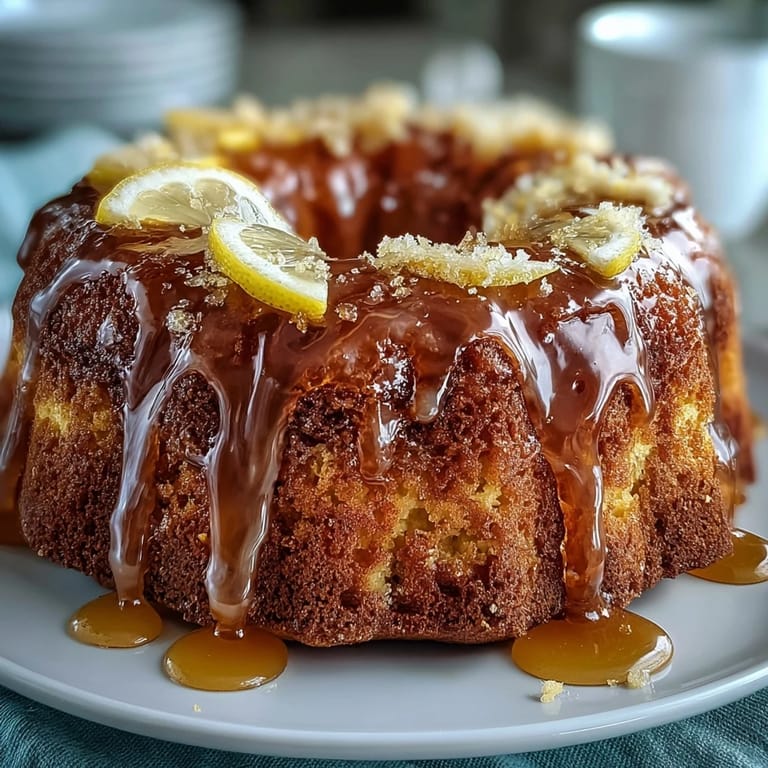
 This loaf cake has become a reliable friend in my kitchen, the kind of recipe you make without thinking because you know exactly how it's going to turn out. It's straightforward enough for a weekday afternoon and special enough to bring to someone you care about.
Recipe Help & FAQs
- → What gives the loaf its lemon flavor?
Freshly grated lemon zest and freshly squeezed lemon juice in both the batter and glaze provide a bright, natural citrus flavor throughout.
- → How do I ensure the loaf stays moist?
Using softened butter and mixing gently after adding the flour helps retain moisture, while the lemon glaze added warm soaks into the loaf improving moisture and zing.
- → Can I add any extra texture to the loaf?
Adding poppy seeds to the batter offers a nice crunch and subtle contrast to the lemon’s brightness.
- → What is the best way to check if the loaf is baked through?
Insert a skewer or toothpick into the center; it should come out clean when fully baked, usually after 45–50 minutes.
- → How should I serve the loaf for best taste?
Allow the loaf to cool completely before slicing. Serve with fresh berries and a dollop of whipped cream to complement the tart lemon glaze.