 Save Pin
 There's something about the first warm afternoon of spring that makes you want to bake something that tastes like the season itself. I discovered dandelion honey at a farmers market years ago, tucked between jars of clover and wildflower varieties, and the vendor mentioned it had this subtle floral note that worked beautifully in cakes. That conversation led me here, to a kitchen filled with the smell of butter and honey caramelizing together, and a cake that somehow tastes both delicate and deeply satisfying.
I made this cake for my neighbor's book club gathering on an unusually warm April evening, and watching people close their eyes after the first bite felt like a small victory. One of them asked if there was lavender in it—there wasn't—but the way the dandelion honey created this almost indescribable floral sweetness made her brain want to find a name for what she was tasting. That moment taught me that the best recipes are the ones that make people pause and really wonder about the flavors.
Ingredients
- All-purpose flour (2 cups / 250 g): The foundation that keeps everything tender when you don't overmix—resist the urge to stir too much once it's combined with the wet ingredients.
- Baking powder (1 1/2 tsp) and baking soda (1/2 tsp): Together they create a gentle lift that keeps the crumb soft rather than dense or cakey in that commercial way.
- Fine sea salt (1/2 tsp): A small amount that sharpens the lemon flavor and balances the sweetness without being detectable on its own.
- Unsalted butter (1/2 cup / 115 g), room temperature: Creaming it properly with the honey is where the magic starts, so don't skip letting it soften first.
- Dandelion honey (1/2 cup / 120 ml): This is the soul of the cake, so seek it out if you can, though regular honey works in a pinch and simply shifts the flavor slightly more neutral.
- Granulated sugar (1/2 cup / 100 g): Combined with the honey, it creates a sweetness that feels natural rather than cloying.
- Eggs (3 large), room temperature: They emulsify better when warm, which means a more stable batter and better texture in the finished cake.
- Pure vanilla extract (1 tsp): A genuine vanilla makes a quiet difference here, letting other flavors shine instead of drowning them out.
- Whole milk (1/2 cup / 120 ml), room temperature: The alternating method with flour keeps the batter from becoming dense, creating pockets of tender crumb.
- Lemon zest (2 tbsp from about 2 lemons): Fresh zest is absolutely worth the extra minute with a microplane—it's where all the bright acidity and aroma live.
- Freshly squeezed lemon juice (2 tbsp): Bottled juice tastes thin and sad by comparison, so squeeze your lemons and mean it.
- Powdered sugar (1 cup / 120 g), sifted: Sifting removes lumps so the glaze becomes glossy rather than grainy.
- Dandelion honey (1 tbsp for glaze): A whisper of it in the glaze keeps the flavor cohesive from cake to finish.
Tired of Takeout? 🥡
Get 10 meals you can make faster than delivery arrives. Seriously.
One email. No spam. Unsubscribe anytime.
Instructions
- Ready your stage:
- Preheat the oven to 350°F (175°C) and prepare a 9-inch round cake pan by greasing it generously and dusting with flour, or line it with parchment paper for foolproof release. Getting this done first means you're not scrambling when the batter is ready to go in.
- Mix the dry ingredients:
- In a medium bowl, whisk together the flour, baking powder, baking soda, and salt until they're evenly distributed, then set the bowl aside. This is where you're preventing lumps and ensuring the leavening is consistent throughout.
- Cream the butter and sweetness:
- In a large mixing bowl, beat together the softened butter, dandelion honey, and sugar for about 3 minutes until the mixture is pale, fluffy, and noticeably lighter in color and volume. You're incorporating air here, which is what gives the cake its tender crumb.
- Add the eggs and aromatics:
- Beat in the eggs one at a time, making sure each is fully incorporated before adding the next, then stir in the vanilla extract, lemon zest, and lemon juice. The mixture might look slightly curdled, but that's fine—it all comes together in the next step.
- Alternate the flour and milk:
- Add the flour mixture in three parts, alternating with the milk and starting and ending with flour, mixing gently until just combined with no visible streaks. This is the moment to exercise restraint and stop stirring as soon as everything comes together, because overmixing creates a tough, dense cake.
- Transfer and bake:
- Pour the batter into the prepared pan and smooth the top gently with a spatula, then bake for 35 to 40 minutes until a toothpick inserted into the center comes out clean or with just a few moist crumbs. The kitchen will smell extraordinary—that's how you know it's almost ready.
- Cool with patience:
- Let the cake rest in the pan for 10 minutes so it firms up enough to turn out safely, then invert it onto a wire rack and let it cool completely before glazing. This prevents the glaze from melting off into a puddle.
- Make the glaze:
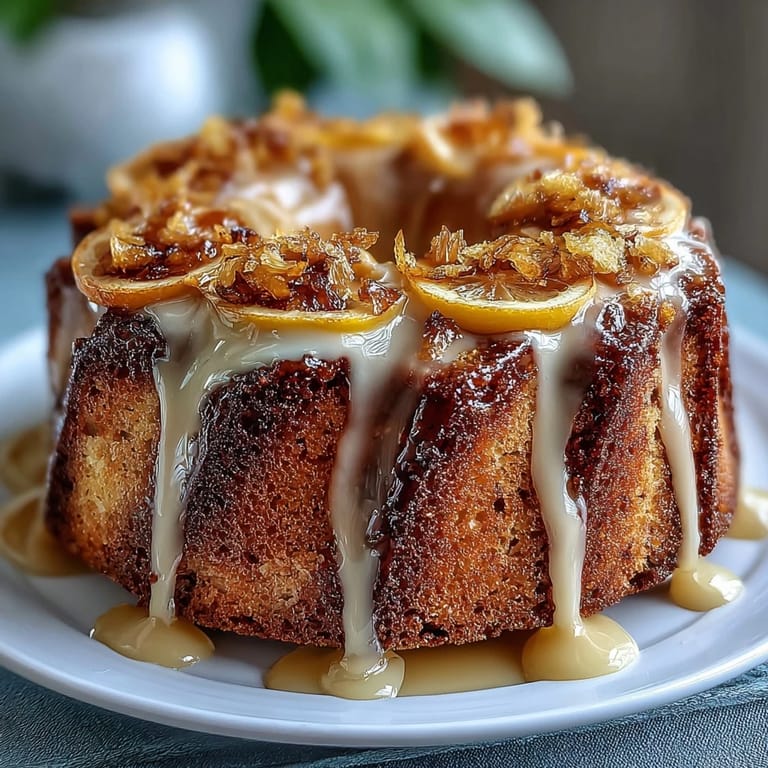
- In a small bowl, whisk together the sifted powdered sugar, dandelion honey, and lemon juice, adding the juice gradually until you reach a consistency that drips slowly from a spoon but doesn't run off the cake. Taste it if you like—it should taste bright and not too sweet.
- Finish with care:
- Drizzle the glaze over the cooled cake in whatever pattern feels right, then let it set for 10 to 15 minutes so it firms up enough to slice without disrupting the finish. The anticipation of waiting is part of the pleasure.
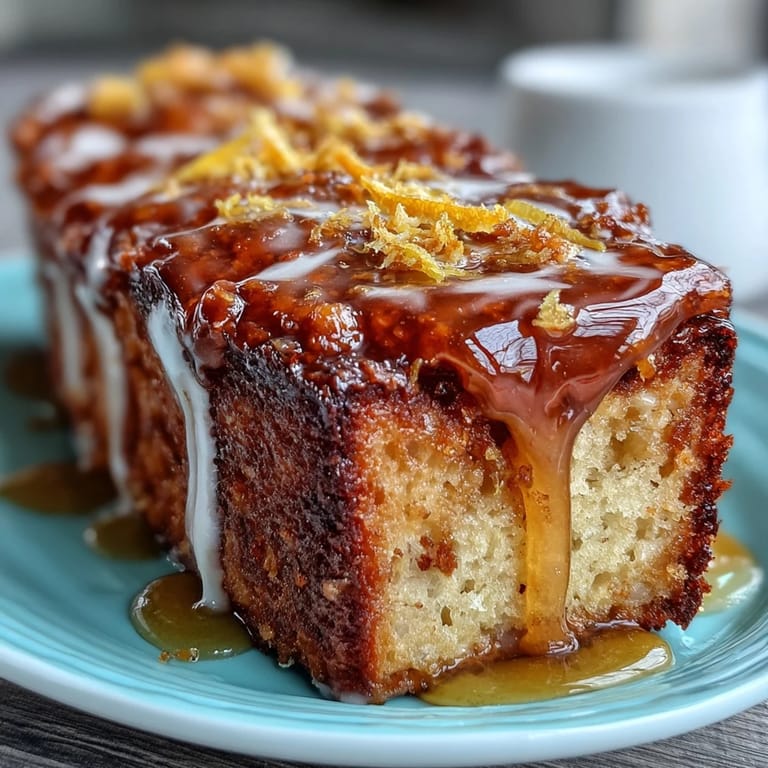 Save Pin
 My mother tried this cake at a small gathering and asked for the recipe not because she was polite, but because she wanted to understand what made it taste the way it did. She's not someone who bakes much, but she returned to the kitchen determined to master it, and a few weeks later, I received a photo of her cake with a message that simply said "I got it." That's when I realized this recipe wasn't just mine anymore.
Choosing Your Honey
Dandelion honey has become easier to find at farmers markets and specialty grocers, but if your region doesn't have it, don't abandon the recipe. Regular wildflower honey creates a cake that's sweeter and less floral, still delicious but slightly different in character. Acacia honey would give you something lighter and more delicate, while buckwheat honey would darken the crumb and add an almost molasses-like undertone. The best choice is using what you can source locally, because there's something satisfying about knowing your ingredients' origins.
The Lemon Question
Lemon is loud in desserts when you're not careful, but here it's an accent rather than the main voice. The zest contributes brightness and aroma while the juice adds just enough tang to prevent the cake from feeling one-dimensional. If you love lemon more intensely, increase the zest to 3 tablespoons and the juice to 3 tablespoons, but understand that you're shifting the personality of the cake entirely—it becomes more of a lemon cake with honey undertones rather than a honey cake with lemon elegance.
Storage and Keeping
This cake stays moist for three days at room temperature in an airtight container, which is genuinely remarkable for a butter cake. The honey acts as a humectant, meaning it pulls moisture from the air and keeps the crumb from drying out the way traditional cakes do. You can also wrap individual slices in plastic wrap and freeze them for up to a month, though the glaze doesn't freeze as gracefully as the cake itself.
- Keep it in an airtight container away from direct sunlight, which can fade the golden color of the glaze.
- If you're serving it at a gathering, slice it just before guests arrive so the cut edges stay tender.
- A thin cup of herbal tea is the only accompaniment this cake truly needs, though a light dessert wine works beautifully too.
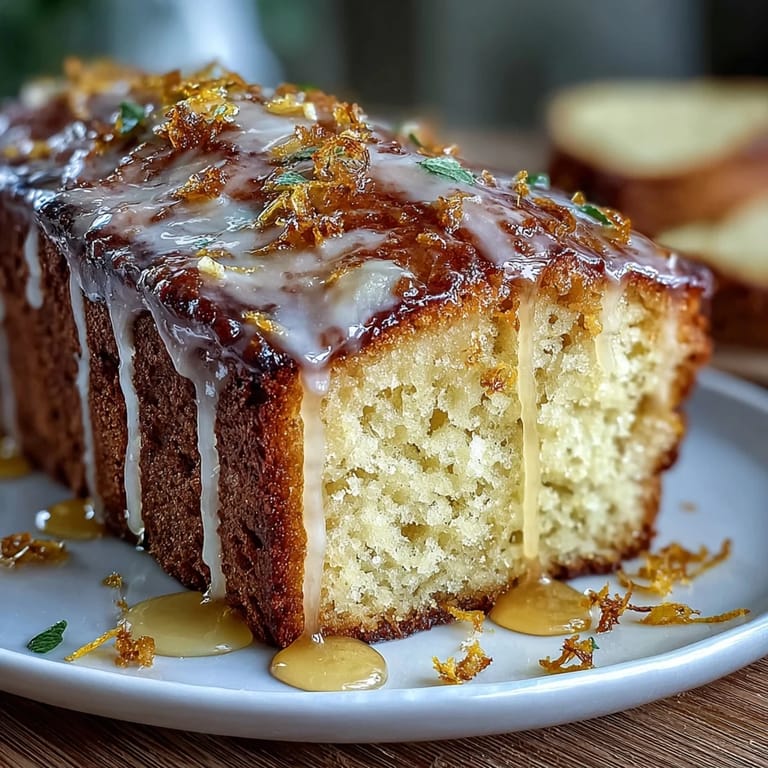 Save Pin
 This cake has become the thing I make when I want to mark a moment, when I want to say without words that something matters. Bake it when spring finally arrives, when you want to feed people something memorable, or simply when you need your kitchen to smell like honey and lemon and hope.
Recipe Help & FAQs
- → How does dandelion honey affect the flavor?
Dandelion honey brings a subtle floral sweetness that complements the lemon glaze, adding depth and a unique aroma.
- → Can regular honey be used instead?
Yes, regular honey can substitute dandelion honey with a slightly different but still pleasant sweetness.
- → What is the purpose of lemon zest and juice?
Both zest and juice enhance the cake’s brightness and acidity, balancing the honey’s floral notes and sweetness.
- → How do I achieve the perfect glaze consistency?
Gradually add lemon juice to powdered sugar and honey, whisking until smooth and pourable but not too runny.
- → What is a good way to store leftovers?
Keep the cake in an airtight container at room temperature for up to three days to maintain moisture and freshness.